
 240
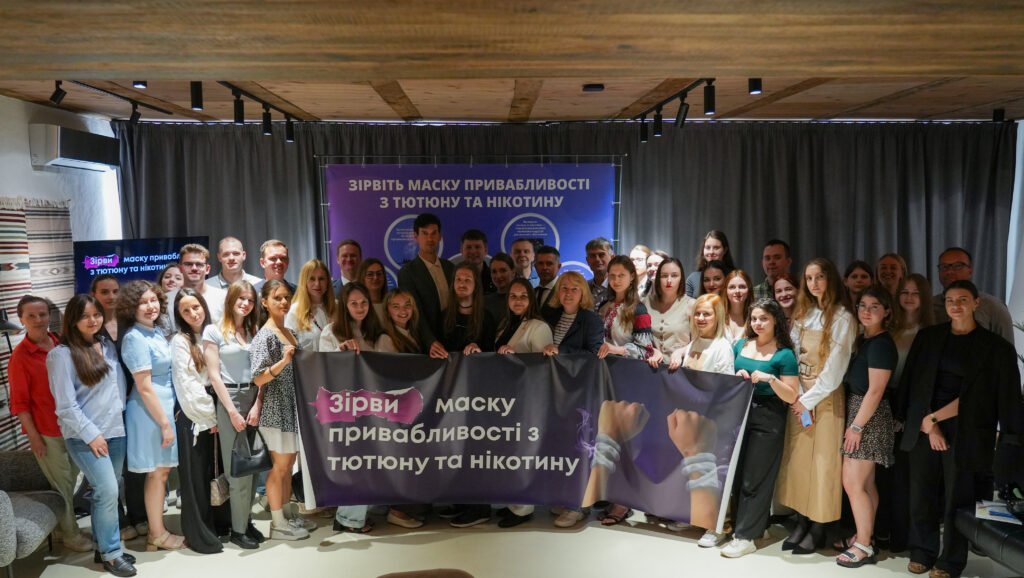
240On May 25, 2026, NGO “Life”, the World Health Organization, National Interests Advocacy Network ANTS, and NGO “European Hub” held a panel discussion titled “Protecting children and young people from nicotine is a priority for Ukraine’s European integration”. It took place as part of a youth conference held in observance of World No Tobacco Day, titled “Unmask the Appeal.”
“The theme of this year’s World No Tobacco Day addresses not only tobacco but also nicotine. Today, the tobacco industry is adapting to new conditions by promoting novel nicotine products under the guise of harm reduction and increased appeal. The WHO calls on governments, partners, and civil society to strengthen regulations, close policy gaps, and protect future generations from the harm caused by tobacco and nicotine products”, commented Jarno Habicht, Head of the WHO Country Office in Ukraine.
The discussion was attended by representatives of the Verkhovna Rada of Ukraine, the Ministry of Health, the Public Health Center of the Ministry of Health of Ukraine, the World Health Organization, civil society organizations, and young people. Participants discussed the steps Ukraine needs to take to effectively protect children and young people from nicotine addiction, and why it’s a priority for European integration.
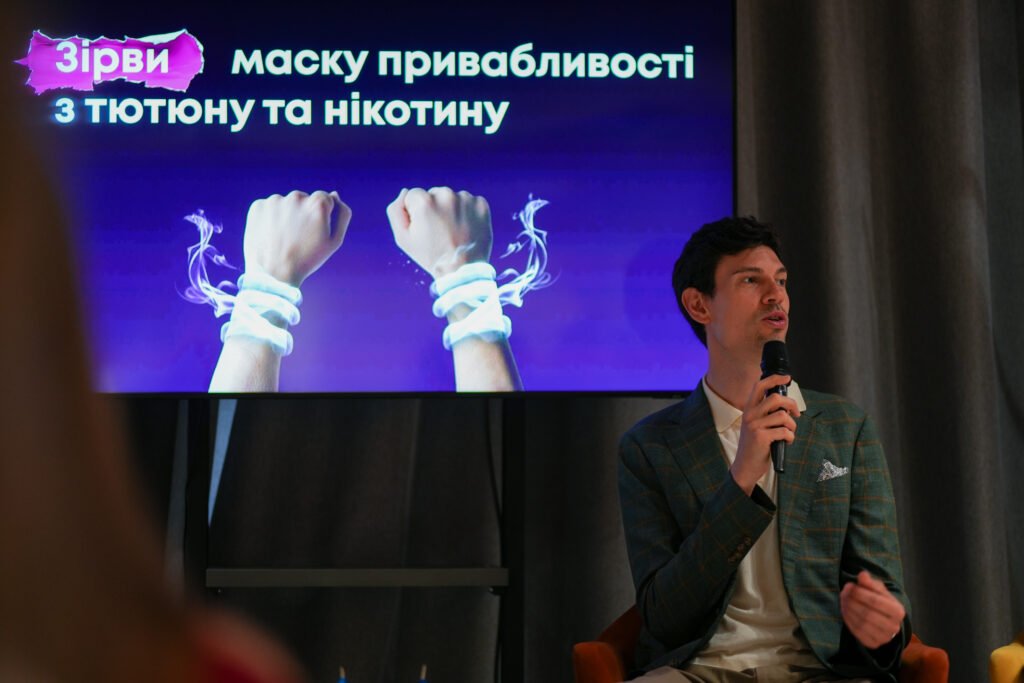
“The task for the government and parliament is to implement effective policies to protect the health of the Ukrainian population, because demographics are not just about birth and death rates, but also about quality of life, work capacity, and the length of one’s productive years. Tobacco and nicotine products are robbing Ukrainian children and youth of a healthy and prosperous future. WHO’s World No Tobacco Day is an additional opportunity to adopt European integration Draft Law No. 12091 and Draft Law No. 14110-d, which is crucial for regulating nicotine products — these steps will protect Ukrainian children above all else,” emphasized Oleksii Zhmerenetskyi, Member of the Ukrainian Parliament and co-chair of the inter-factional parliamentary group “Healthy Longevity and Personalized Medicine.”
Ukraine has received the final benchmarks for EU accession, which include tobacco control. According to the National Adaptation Program, by 2027 Ukraine must: adopt Draft Law No. 12091, which bans flavored heated tobacco products; ratify the Protocol to Eliminate Illicit Trade in Tobacco; launch a traceability system for tobacco products; and harmonize excise tax rates on tobacco products.
Nicotine snus remains a separate issue, as it is still unregulated in Ukraine, despite such regulations already being in place in EU countries. The Netherlands, Germany, France, and Moldova (an EU candidate country) have banned it entirely.
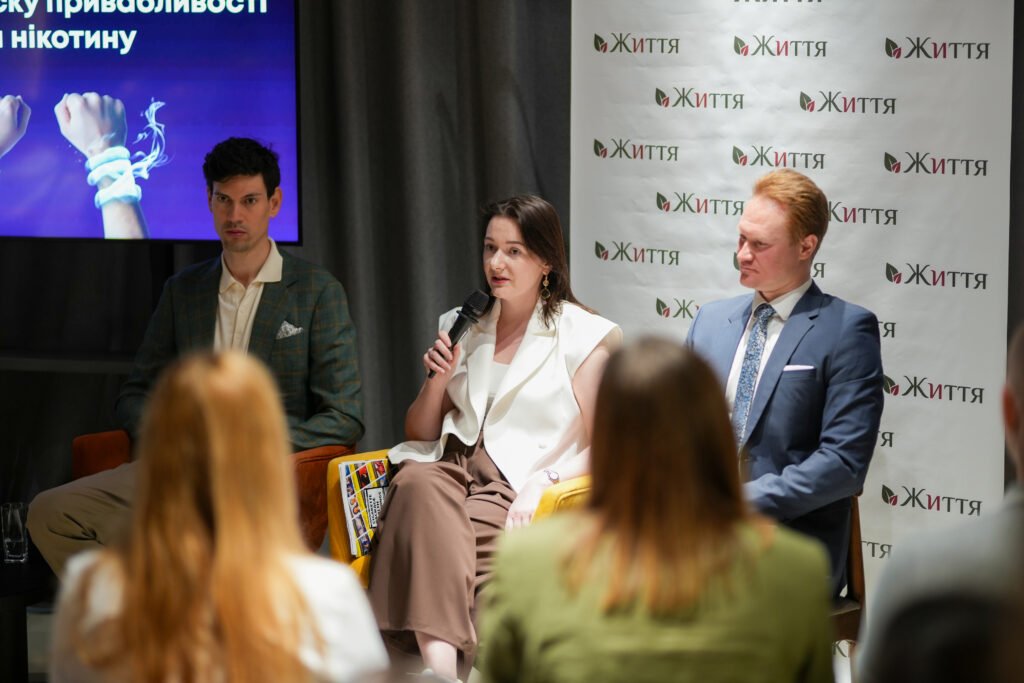
“Nicotine is a highly addictive psychoactive substance that negatively affects human health, particularly the nervous, cardiovascular, and reproductive systems. Nicotine poses a particular danger to children and adolescents, as the brain is still developing at a young age, and early use significantly increases the risk of developing a persistent addiction. As a candidate country for EU membership, Ukraine must strengthen regulations on tobacco and nicotine products in line with European approaches. “This involves restricting marketing, banning tools that make products more appealing to minors, and ensuring that such products are genuinely inaccessible to children,” emphasized Marta Melnyk, Head of the Department for the Prevention of Noncommunicable Diseases and Drug Circulation at the Public Health Directorate of the Ministry of Health of Ukraine.
The Verkhovna Rada Committee on Public Health, Medical Care, and Health Insurance has submitted Draft Law No. 14110-d to parliament for consideration, which prohibits the sale of snus to minors, sets a maximum nicotine content per serving, bans advertising, sales promotion, and sponsorship, and introduces a combined health warning covering 65% of the package.
In Ukraine, children aged 13–15 use nicotine snus 10 times more often than adults: 3% versus 0.3%.
A similar trend is observed with other new tobacco and nicotine products: 20% of children use e-cigarettes, compared with 5% of adults; 7% of children use heated tobacco products, compared with 3% of adults.
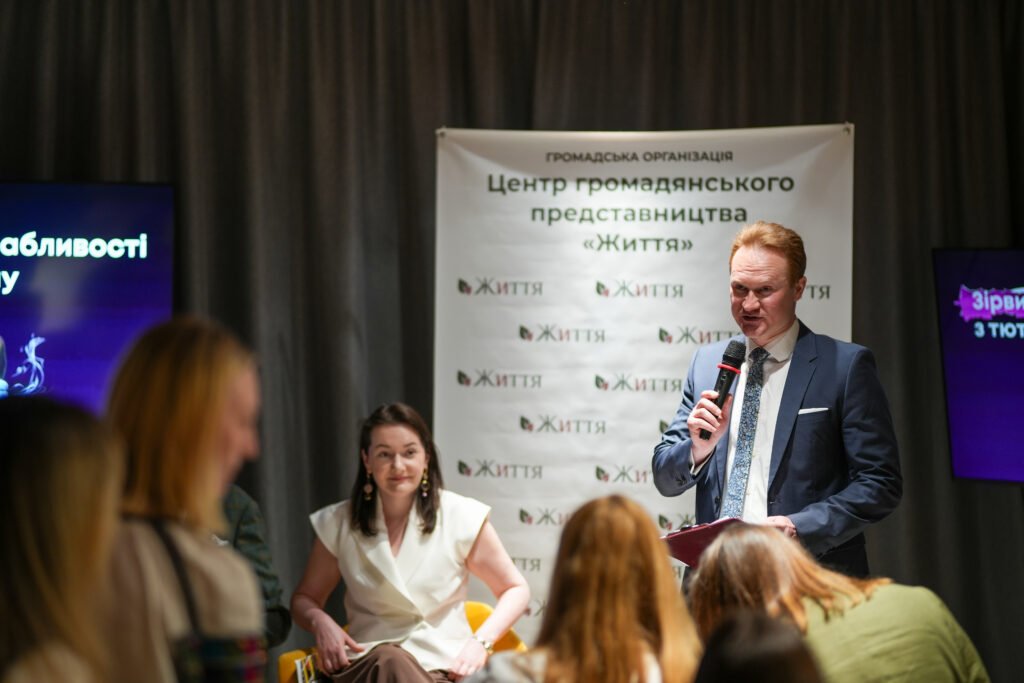
“Tobacco use is responsible for one in five deaths in Ukraine. It is time to strip away the facade of appeal surrounding tobacco and nicotine. World No Tobacco Day is the best opportunity for the Verkhovna Rada of Ukraine to pass a resolution to protect the health of children and youth,” emphasized Dmytro Kupyra, Program Director of the NGO “Life.”
Representatives of the “Tobacco Free Generation” campaign ‘exposed’ the true nature of tobacco and nicotine, clearly demonstrating what lies beneath the attractive packaging, pleasant flavors, and claims of “reduced harm”—addiction, disease, and premature death.
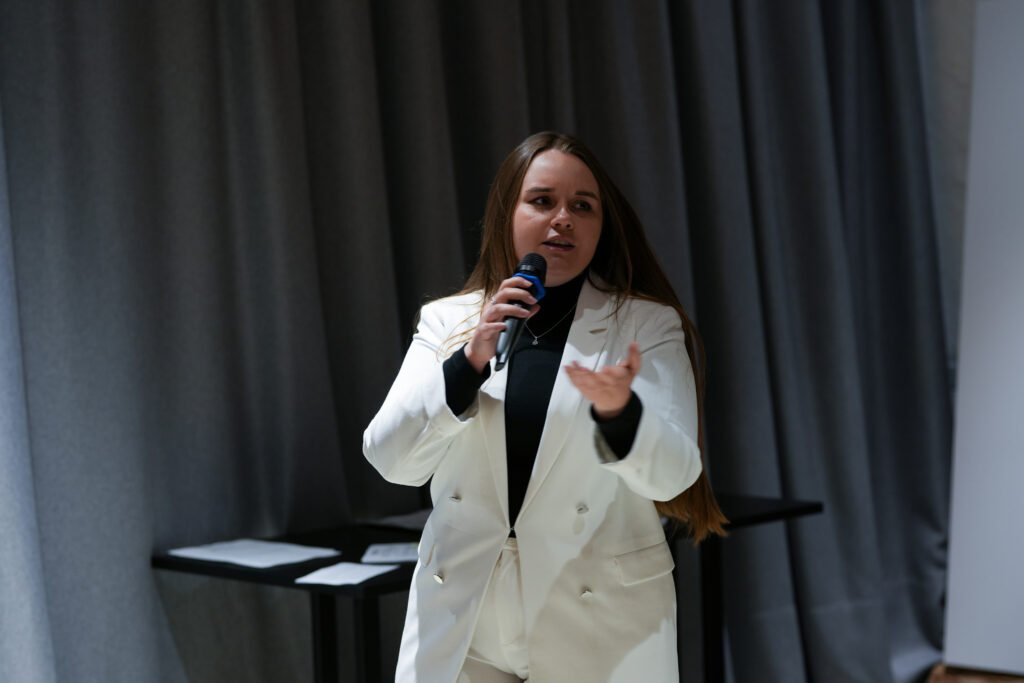
“The tobacco and nicotine industry is trying to turn young people into its new consumers by selling us not just products, but a trendy image and the illusion of choice. But we do not want to be a generation that has fallen victim to marketing manipulation and nicotine addiction. Ukrainian youth have the right to a healthy future free from addiction, so the state must create conditions where there are no incentives to consume tobacco and nicotine, in particular, regulate nicotine snus and ban flavored e-cigarettes,” emphasized Dariia Panova, head of the Youth Club of the Network for the Protection of National Interests “ANTS” and a member of the Youth Council at the Ministry of Foreign Affairs of Ukraine.
Every year in Ukraine, approximately 100,000 people die prematurely from diseases related to tobacco use. Thus, combating the tobacco epidemic is not only a public health priority but also a prerequisite for the country’s demographic and economic stability.
For contact information: Olha Masna, Media Coordinator at NGO “Life,” 073-089-65-70, olha.masna@center-life.org